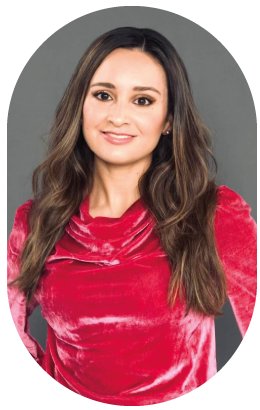
María Luz Sánchez Huerta
Atlanta, Georgia
Abogada queretana

Trabajar con la comunidad latina me ha llevado a replantear muchas ideas que creía entender sobre acceso, vulnerabilidad y cuidado. En la firma legal donde trabajo ayudo a las personas en el acceso y proceso legal a seguros médicos y beneficios sociales. A menudo el sistema de salud estadounidense se percibe como inaccesible, costoso, complejo y burocrático. Y en parte lo es.
Sin embargo, trabajar de cerca con familias latinas me ha permitido descubrir otra realidad menos visible: la enorme red de programas, apoyos y recursos subsidiados por gobierno federal y estatal que existen para personas de bajos ingresos, comunidades inmigrantes, adultos mayores, niños y mujeres embarazadas. Mi trabajo me ha permitido acompañar historias profundamente humanas.
Clientes recién llegados que desconocen completamente el sistema de salud. Madres preocupadas por el costo de un embarazo. Familias que retrasan atención médica por miedo, desinformación o barreras del idioma. Al mismo tiempo he visto los mecanismos de apoyo y esfuerzos comunitarios e institucionales que buscan evitar que la vulnerabilidad se convierta automáticamente en abandono sanitario. En algunos casos, incluso mujeres embarazadas sin estatus migratorio legal pueden acceder a atención gratuita de alta calidad durante su embarazo y post-parto.
Más allá del debate político, trabajar cerca de estas realidades me ha dejado una reflexión: Las barreras del idioma y diferencias culturales importan. Sentirse escuchado importa. No solamente es conectar personas con servicios, sino ayudarles a sentirse capaces de dar el primer paso y entrar a un sistema que muchas veces perciben distante o intimidante. Porque no basta con que el sistema exista. Tiene que poder ser habitado.
What working with the Latino Community in the United States has taught me about dignity and access
Working with the Latino community has led me to rethink many of the assumptions I once had about access, vulnerability, and care.
In the legal firm where I work, I help people with the legal process in obtaining health insurance and social benefits. The U.S. healthcare system is often perceived as inaccessible, expensive, complex, and bureaucratic; in many ways, it is.
However, working closely with Latino families has allowed me to see a less visible reality: the extensive network of state and federal programs and resources available for low-income individuals, immigrant communities, elderly, children, and pregnant women. My work has given me the privilege of witnessing sensitive human stories. Newly arrived clients who does not understand how the healthcare system works. Pregnant women worried about the cost of care. Families delaying medical care due to fear, misinformation, or language barriers.
At the same time, I have also seen the support systems and institutional efforts designed to prevent vulnerability from turning into a lack of healthcare access. In some cases, even pregnant women without legal immigration status can receive free, high-quality prenatal and postpartum care.
Beyond the political debate, working so closely with these realities has left me with one reflection: language and cultural barriers matter. Being heard matters. It is not only about connecting people to services, but about helping them feel capable of taking the first step into a system that often feels distant or intimidating. Because it is not enough for a system to exist, it must also be livable.